Floor Plans and Philosophy: The Invisible Architecture Separating Underground Raves from Corporate Clubs

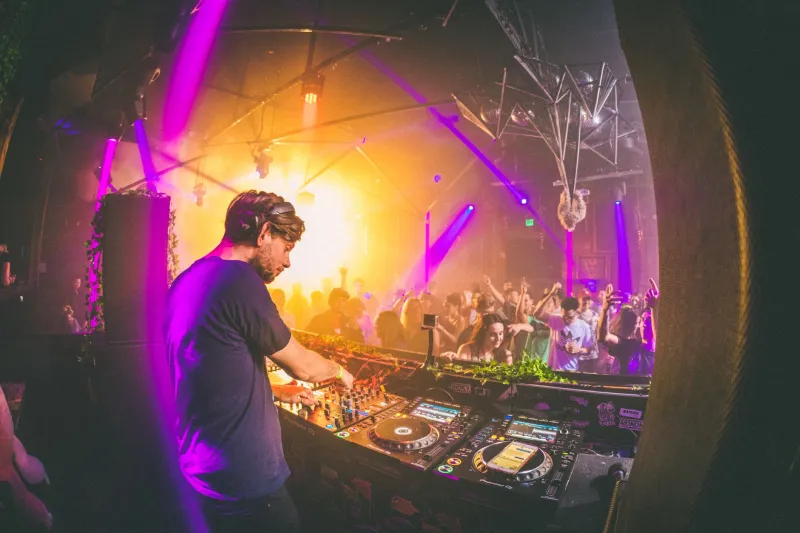
Walk into a mainstream nightclub on a Saturday and you'll immediately understand the hierarchy. There's a velvet rope section near the booth. Bottle service tables form a moat around the dancefloor. The DJ is elevated on a stage, performing at you rather than with you. The sound system is loud, sure, but it's been tuned for the bar area as much as the floor. Everything about the room tells you exactly where you rank.
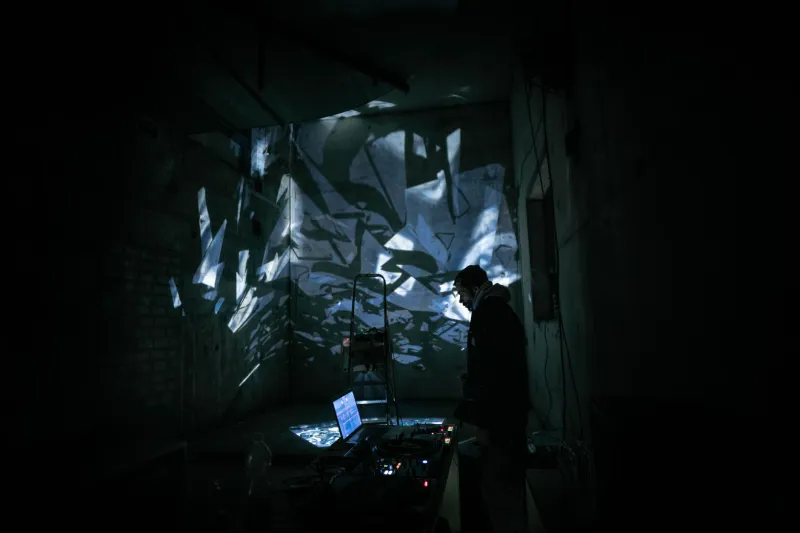
Now walk into a warehouse party in Detroit, or a basement rave in Philly, or an industrial space takeover in Chicago. The DJ might be at floor level, barely visible behind a table stacked with gear. There are no VIP sections. The speakers are stacked in corners, pointed inward, creating a pressure system that hits your chest before it reaches your ears. Nobody's checking your follower count at the door.
These aren't just aesthetic differences. They're philosophical ones — and they're widening every year.
The Room as an Argument
Venue design is a form of communication. Every architectural choice a space makes tells its occupants something about who matters, how they're supposed to behave, and what the night is actually for. Mainstream clubs, especially the corporate-owned mega venues that have colonized cities like Miami, Las Vegas, and New York, are designed around revenue extraction. The dancefloor is real estate. The booth is a billboard. The sound system serves the vibe, not the music.
Underground spaces operate on an almost opposite logic. When promoters and collectives take over a raw industrial building for a night — or build out a permanent venue with that ethos in mind — they're making a statement about sound as a shared experience rather than a product being sold. The room isn't organized around tables. It's organized around the speaker system. Everything else arranges itself accordingly.
That distinction shapes literally everything: how people move, how they interact, how long they stay on the floor, and whether they leave feeling like they experienced something or just consumed it.
What "Good Sound" Actually Means in These Two Worlds
Here's where things get genuinely technical — and genuinely political. In a mainstream club, sound is measured by volume and coverage. Can everyone in the building hear the music? Is the bass hitting hard enough to feel energetic without shaking the bottles off the tables? The system serves the room.
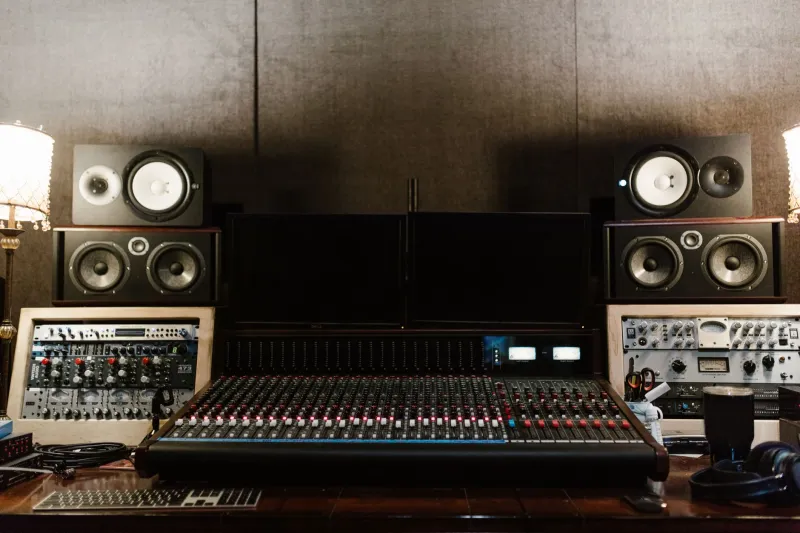
In underground spaces, the relationship inverts. The room serves the system. Promoters who care about sound design — and in the underground, that's most of them — are thinking about things like bass dispersion, sub-frequency pressure, and how the music interacts with the physical dimensions of the space. Some underground venues in the US are using custom-built sound rigs, often modeled after legendary European systems, specifically because off-the-shelf club setups don't deliver the kind of full-body, immersive experience they're chasing.
That chase isn't about being loud. It's about being correct. There's a difference between a room that hurts your ears and a room that moves you physically without causing damage. Underground sound nerds will talk your ear off about this distinction. And they're right to — it's one of the clearest technical markers separating the two cultures.
Crowd Management as Cultural Policy
Beyond speakers and square footage, the way crowds are managed tells you everything about a venue's values. Mainstream clubs use velvet ropes, tiered entry pricing, and table minimums to sort their clientele by perceived status and spending power. This isn't incidental — it's the business model. The dancefloor fills with people who paid to be seen at the venue as much as to hear the music.
Underground events tend to use different filters. Some use invite lists or word-of-mouth ticketing specifically to screen for culture fit rather than cash. Others use door policies that prioritize regulars and community members. Many operate on a sliding scale or keep tickets cheap and cap capacity aggressively — not because they're leaving money on the table, but because an overcrowded floor with the wrong energy destroys the experience for everyone.
This stuff isn't just vibes. It shapes the physical experience of being in the room. A floor packed with people who are genuinely there for the music moves differently than a floor packed with people performing their attendance for Instagram. The energy is different. The way bodies respond to the sound is different. And that collective response feeds back into the music itself — good DJs read rooms, and the room they're reading is shaped entirely by who got let in.
The Intimacy Equation
One of the most consistent things you hear from underground regulars is the word intimate. Not small, necessarily — some warehouse events run two or three thousand people. But intimate in the sense that the experience feels personal, unmediated, and real.
That intimacy is manufactured, in the best possible sense. It's the result of deliberate choices: keeping the DJ at eye level so there's no performance hierarchy, removing the VIP infrastructure that would create social distance, building a sound system that envelops rather than broadcasts, and controlling capacity so the floor never becomes a cattle pen.
Mega clubs can't replicate this even when they try. The economics don't allow it. When you're running a venue that seats a thousand people and depends on bottle service revenue to pay the lease, you can't remove the VIP tables. When your sound system was installed by a contractor optimizing for decibel coverage rather than sonic depth, you can't retrofit it with underground DNA. The architecture of profit and the architecture of experience are in direct conflict.
Why This Divide Is Only Getting Wider
The pandemic reshuffled everything. Clubs that survived often did so by going more corporate, not less — adding bottle service tiers, raising ticket prices, leaning into the high-margin model that could weather extended closures. Meanwhile, the underground got more intentional. Collectives that kept organizing during that period — outdoor events, small-scale warehouse nights, pop-up raves in unexpected spaces — came out the other side with tighter communities and sharper identities.
The result is two parallel nightlife ecosystems that are increasingly incompatible. Mainstream clubbers and underground ravers aren't just listening to different music. They're operating in rooms built on different premises, managed by different philosophies, and oriented toward completely different definitions of a good night.
None of this is accidental. Every concrete wall, every speaker stack, every door policy is a vote for what the night is supposed to be. In the underground, that vote goes to the music and the people who actually came to hear it. Everywhere else, it goes to the bottom line.
The floors are different because the values are different. And right now, that gap isn't closing — it's the whole point.