Two Kinds of Loud: Why Underground Ravers and Club Kids Are Hearing Completely Different Music

Walk into a warehouse rave at 2 a.m. and the sound hits you in the chest before it hits your ears. It's physical. It's borderline uncomfortable. The sub-bass is rattling the corrugated metal walls, the kick drum feels like a fist, and the whole room smells faintly of sweat and speaker cone. Now walk into a high-end nightclub in Vegas or Miami — the kind with a guest-list line that wraps the block — and the music is also loud, technically. But it's polished. Pristine, even. The highs sparkle. The mids are scooped just enough to feel flattering. The bass hits hard without ever threatening to make you feel like something might break.
Same city. Same night. Completely different definitions of what loud is supposed to mean.
This isn't just a vibe thing. There's real science behind it, a whole cultural history driving it, and genuine money on the line depending on which philosophy wins the room.
Your Ears Are Not Neutral
Here's something audio engineers have known for decades that most people never think about: prolonged exposure to specific frequency profiles actually reshapes how your brain processes sound. It's called auditory adaptation, and it's a big deal. If you've spent three years going to techno nights in concrete basements, your ears have been trained to find meaning — and pleasure — in frequencies that sit below 80 Hz. The sub-bass isn't just background texture to you. It's information. It's emotional content. When it's gone, the music feels hollow.
Meanwhile, someone who grew up going to EDM festivals and Top 40 clubs has been conditioned by a completely different frequency map. High-end production values, compressed mids, punchy but controlled kick drums. Everything sitting cleanly in a mix. The clarity is the experience for them. Distortion doesn't feel raw and authentic — it feels like something broke.
Neither listener is wrong. They're just running on different firmware.
The Physics of the Room
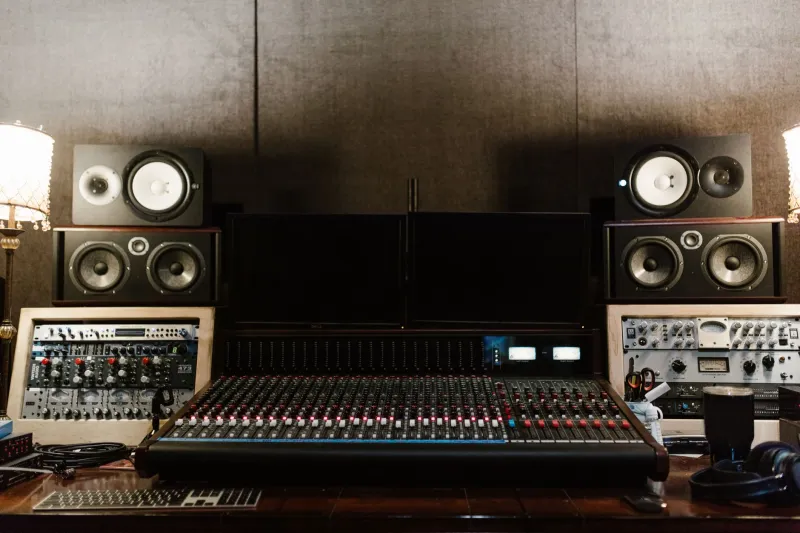
Venue design is where the ideology becomes concrete — literally. Mainstream clubs are built to be loud in ways that feel safe and consistent. Acoustic panels absorb unwanted reflections. Sound systems are tuned to deliver even coverage across the entire floor. The goal is a kind of democratic loudness: everyone in the room hears roughly the same mix at roughly the same level, and nobody's ears are bleeding at the bar.
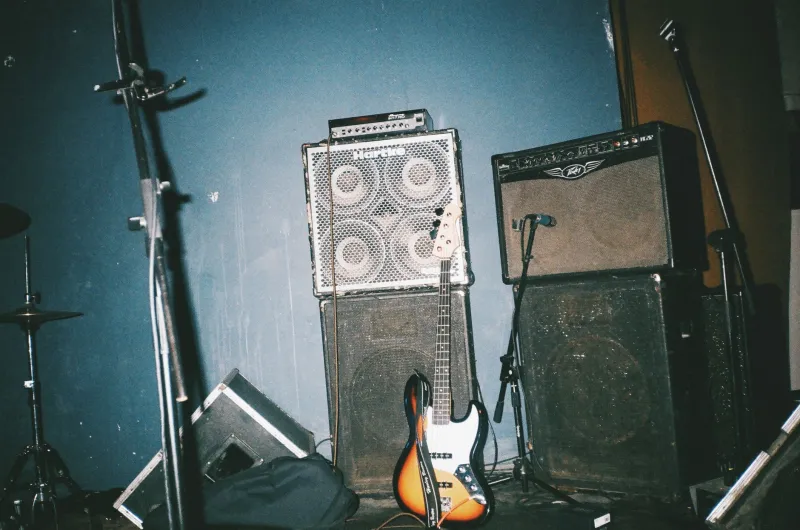
Warehouse spaces operate on almost the opposite logic. Concrete floors, brick walls, exposed steel beams — none of that is accidental. The room itself becomes part of the instrument. Sound bounces and stacks and creates pressure zones that shift depending on where you're standing. Standing directly in front of a properly loaded soundsystem in a raw industrial space doesn't just make the music louder. It changes the physical experience of your body inside the music. Your vision blurs slightly. Your ribcage resonates. That's not a bug. That's the whole point.
Promoters who run underground nights in cities like Chicago, Detroit, and Philadelphia will tell you the room is as important as the lineup. They're not exaggerating.
The Genre Gap
Different subgenres have literally engineered different loudness philosophies into their DNA, and that's worth unpacking.
Techno — especially the stripped-down, functional variety coming out of Detroit and Berlin-influenced US scenes — was built around industrial spaces. The music is mixed to thrive in reverberant, reflective rooms. The kick is tuned to interact with concrete. The long, hypnotic loops are designed to work with the room's natural decay, not against it.
House music, particularly the deeper Chicago strain, operates in a similar register — though it's warmer, more forgiving, more willing to accommodate a room with some acoustic treatment.
Commercial EDM and pop-adjacent club music? It's mixed for controlled environments. Arenas. Amphitheaters. Nightclubs with proper speaker arrays and acoustic budgets. The production assumes the room will behave. When you take that music into a warehouse, it often sounds thin and cold — not because the production is bad, but because it's designed for a completely different physical context.
Hardcore, industrial techno, and certain strains of drum and bass push this even further. Distortion isn't a mistake in those genres. It's a texture, a signal, a marker of authenticity. When the bassline clips slightly, that's not a technical failure — it's a stylistic choice that communicates something about the music's relationship to the underground.
The Economics of Clarity
Money shapes sound in ways that don't always get talked about honestly. Mainstream clubs invest in sound systems that are expensive, consistent, and easy to insure. The goal is to minimize complaints, protect their liquor license, and keep the vibe accessible enough that a broad range of customers feel comfortable spending money at the bar. Clarity serves that goal. Distortion doesn't.
Underground promoters are working with different math. Their sound system budget might be a fraction of what a Vegas club spends. But the culture has developed a sophisticated workaround: obsessive curation of used and vintage equipment, deep knowledge of how to squeeze maximum pressure out of affordable gear, and a willingness to lean into the imperfections of the space rather than fighting them.
The result is a different kind of loudness — one that's harder to achieve in some ways, and completely inaccessible to anyone who's never been in the right room at the right moment.
The Crossover Problem
Here's where it gets messy: as electronic music has gone more mainstream over the past decade, more artists are trying to play both sides. Producers who came up in underground scenes are getting booked at festival main stages and high-end clubs. And they're running into a wall.
The mix that sounds devastating in a Detroit basement sounds muddy and overwhelming on a festival PA designed for crystal-clear production. The set that slaps at a Brooklyn warehouse feels weirdly flat when the sound system is fighting the room instead of using it. Crossover booking is real, but the sonic translation doesn't always work — and audiences on both ends sometimes feel like they got a diluted version of something.
Some DJs handle this by carrying their own riders, specifying exact equipment setups regardless of venue. Others adapt their selections to the room. The most honest ones will tell you privately that some rooms just don't work for their music, and that no amount of gear can fix a fundamental mismatch between what the sound wants to do and what the space will allow.
Loud Is a Language
At the end of the day, what underground ravers and mainstream clubgoers are really arguing about isn't decibels. It's meaning. It's what music is for. The warehouse crowd isn't chasing volume as a status symbol — they're chasing a specific physical and emotional state that only happens when the right frequencies interact with the right space at the right pressure. It's almost ritualistic.
The mainstream club crowd isn't wrong to want something polished and precise. They're seeking a different kind of pleasure — one that's social, accessible, and consistent enough to share with people who didn't grow up going to raves.
Both are valid. But they're not the same thing, and pretending they are is how you end up with a packed room full of people who all feel vaguely disappointed by the sound.
The divide isn't going anywhere. If anything, it's getting sharper as the underground digs in and the mainstream scales up. And honestly? That tension is probably what keeps both sides interesting.