Where the Headliner Left: Inside the 5 A.M. Dance Floor Nobody Markets
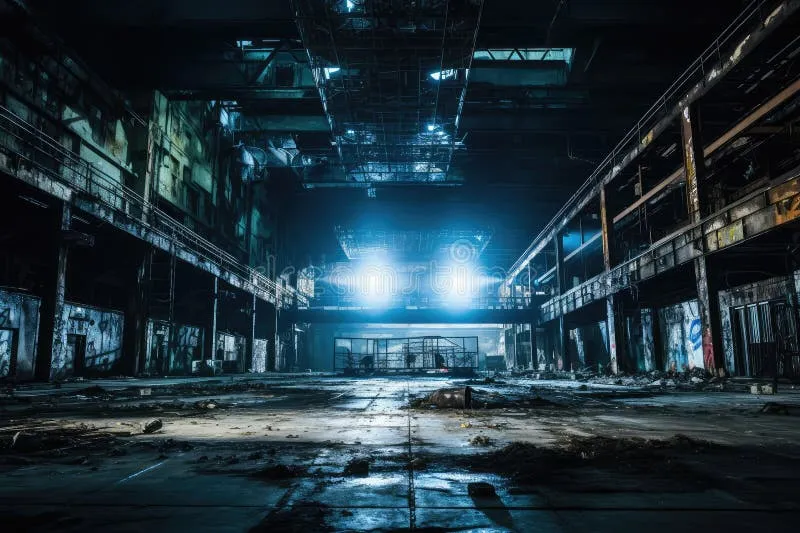
Photo: empty warehouse dance floor sunrise ravers early morning, via thumbs.dreamstime.com
There's a moment at every good party that never makes it onto the aftermovie. It happens somewhere around 5 a.m., after the headliner has played the obvious songs and the crowd has drained down to a few dozen true believers. The lasers get shut off to save the generator. The fog machine runs dry. And the dance floor — smaller now, sweat-slicked, half-lit by the exit sign — somehow gets better.
If you know, you know. And if you know, you've probably been chasing that feeling ever since.
The Hours That Don't Get Booked
Ask a promoter which slot they'd want and they'll say peak time. Ask a DJ who's been in the game fifteen years and half of them will lie about not wanting the sunrise set.
"Peak time is a performance," says Marisol Vega, a Detroit-based DJ who's played more closing sets than she can count. "Sunrise is a conversation. There's no crowd to impress anymore. The people left chose to be there. You're just playing for them."
That intimacy is the whole point. At 1 a.m. you're dancing for the room. At 5 a.m. you're dancing because your body refused to do anything else.
What the Devoted Know
We asked longtime ravers what makes these hours different, and the answers kept circling the same ideas.
The masks come off. Literally and figuratively. The outfits get less calculated, the selfies stop, the performance of being seen gives way to just... being. A raver from Philadelphia put it this way: "By 5 a.m. nobody came here to be perceived. You're dancing with people, not in front of them."
The music gets weird. Freed from the pressure to hold a room, closing DJs take risks. Slower tempos, deep cuts, ambient passages that would clear a mainstage. Some of the most memorable sets in dance music history happened to crowds of fifty people.
Time stops mattering. There's no countdown to the drop, no set time you're saving yourself for. The night has no remaining structure, so the floor becomes the only clock.
No Festival Can Sell You This
Here's the uncomfortable truth for the festival-industrial complex: the 5 a.m. floor can't be scaled. It requires a crowd small enough to thin out, a night long enough to reach the threshold, and a venue loose enough to let things run past the scheduled end.
A mainstage at sunrise — and festivals increasingly schedule them — is a produced simulation of the thing. There's a difference between watching the sun come up with 40,000 people and a phone in your hand, and watching it come up through a warehouse window with strangers who feel like family by then.
One is content. The other is memory.
Keep the Lights Low and the Doors Open
If there's a call to action here, it's for the promoters and venue owners: protect these hours. Don't cut the night off at 3 because the bar math stopped working. The afterhours crowd spends less on drinks and more on devotion, and devotion is what builds a scene that lasts decades.
And for everyone else: next time you feel the pull to leave at 2 a.m., consider staying. The best set of the night might be the one nobody posted about.