After the Drop: How Ravers Are Building Wellness Brands the Mainstream Industry Never Thought To
Sunday morning hits different when you've been dancing since midnight. Your legs feel like they belong to someone else. Your jaw is tight. Your brain is running on fumes and whatever's left of last night's serotonin. You scroll through your phone and every wellness ad you see is for some Silicon Valley executive's biohacking routine — cold plunges, ashwagandha gummies, $40 electrolyte packets designed for people who go to bed at 10 PM.
None of it was made for you.
That gap — between what the mainstream wellness market sells and what the underground actually needs — is exactly where a new generation of raver-entrepreneurs is planting a flag. These aren't outsiders trying to cash in on dance culture. They're people who've lived on the floor, felt the burnout, watched friends struggle through rough comedowns, and decided to build something better from the inside out.
The Comedown Nobody Talks About
For all the conversation around harm reduction in the rave scene — and there's been a lot of it lately — there's still a massive blind spot around what happens in the 48 to 72 hours after a heavy night out. The term "comedown" gets thrown around casually, but the reality is often a complicated mix of sleep deprivation, depleted neurotransmitters, dehydration, muscle soreness, anxiety, and a particular flavor of emotional flatness that doesn't have a clean medical name.
Mainstream wellness brands have largely ignored this. Their products are designed for the 9-to-5 crowd, optimized for morning routines and gym performance. The idea that a significant portion of the American population spends their weekends dancing in warehouses, fields, and clubs — and then needs specific, informed support to recover — hasn't exactly been a priority in the boardrooms of major supplement companies.
So the underground built its own.
Nootropics for Night People
One of the most active corners of this emerging market is cognitive recovery — the supplements and formulas designed to help your brain bounce back after a night of heavy stimulation. A handful of small brands, most of them founded by people who met on dance floors or in online rave communities, have started developing stacks specifically tuned to the post-rave experience.
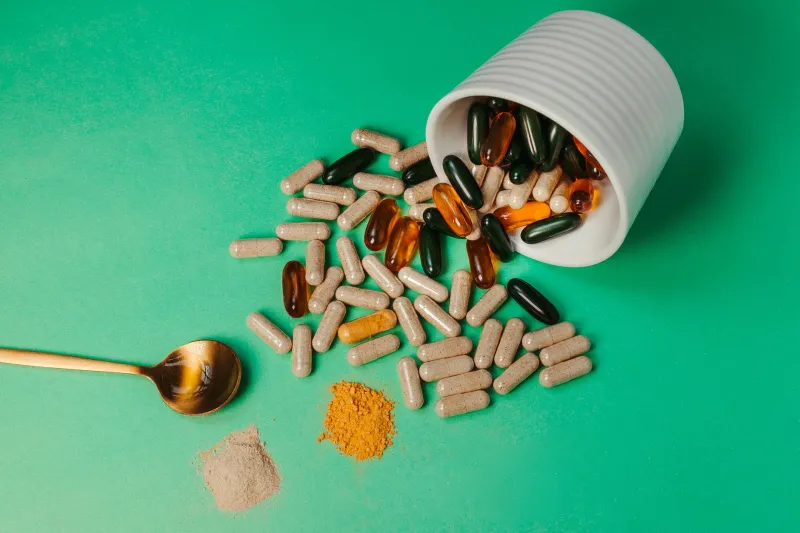
These aren't your average multivitamins. We're talking about formulas built around compounds like 5-HTP (a precursor to serotonin), magnesium glycinate for muscle recovery and sleep quality, NAC for antioxidant support, and adaptogenic herbs like lion's mane and rhodiola that have shown promise for mental fatigue. The founders of these brands aren't just reading wellness blogs — many have done deep dives into the pharmacology, consulted with harm reduction organizations, and built their formulas in direct conversation with the communities they serve.
What makes this different from just buying supplements off Amazon? The framing, the knowledge base, and the community trust. These brands speak the language. They don't moralize. They don't pretend the scene doesn't exist. They meet ravers where they are.
Sleep Is the New Afterparty
Another major thread running through this raver wellness movement is sleep — specifically, how to actually get some after your nervous system has been running at full tilt for 12 hours.
The challenge is real. Post-rave insomnia is incredibly common. Even when you're exhausted, your body can stay in a state of elevated arousal that makes deep, restorative sleep nearly impossible. Standard sleep aids — melatonin at high doses, Benadryl, whatever's in the medicine cabinet — often leave you groggy and worse off the next day.
Small brands emerging from within rave communities are developing low-dose, stacked sleep formulas designed to work with a depleted system rather than just hammering it into unconsciousness. Think micro-dose melatonin combined with l-theanine, magnesium, and reishi mushroom extract — gentle, layered, and specifically calibrated for the kind of exhaustion that comes after a long night of dancing rather than a long day of meetings.
Some entrepreneurs in this space have also moved into the sleep environment itself — blackout kits, earplugs designed for post-rave sensitivity, eye masks with cooling gel inserts. Small stuff, but thoughtfully designed by people who've slept on festival grounds and know what "tired but wired" actually feels like.
The Mental Health Piece
Perhaps the most significant — and most underreported — part of this raver wellness wave is the attention being paid to mental health. The emotional crash that can follow a big night isn't just physical. For a lot of people in the scene, particularly those dealing with anxiety, depression, or trauma, the days after a rave can be genuinely rough. The temporary feelings of connection and euphoria that the floor provides can make the ordinary world feel gray and distant by comparison.
A few founders who've come up through the underground are now building mental health tools specifically for this experience. That includes guided meditation apps with audio design informed by electronic music aesthetics — think ambient soundscapes, binaural beats, and session structures that feel familiar to someone who's spent years navigating altered states. There are also peer support communities, some functioning almost like digital harm reduction spaces, where ravers can talk honestly about the emotional side of the scene without judgment.
These aren't clinical products. They're not replacing therapy. But they're filling a space that traditional mental health resources weren't even aware existed.
Trust Is the Product
What ties all of this together is something the mainstream wellness industry has struggled to manufacture: authenticity. When a brand is built by someone who has lived the same nights you have, who understands the culture without needing it explained, that trust is baked in from the start.
Raver-built wellness brands don't have to work hard to prove they get it. They just do. And in a market flooded with influencer-backed supplements and celebrity wellness lines, that credibility is worth more than any marketing budget.
The underground has always been good at creating the things it needs when the mainstream doesn't bother. It built its own music, its own spaces, its own networks. Now it's building its own recovery culture — and doing it with the same DIY energy that's always defined the scene.
The comedown economy is real. And it's only just getting started.