Bedroom Loud: The Underground Producers Mastering Their Own Tracks and Actually Sounding Huge
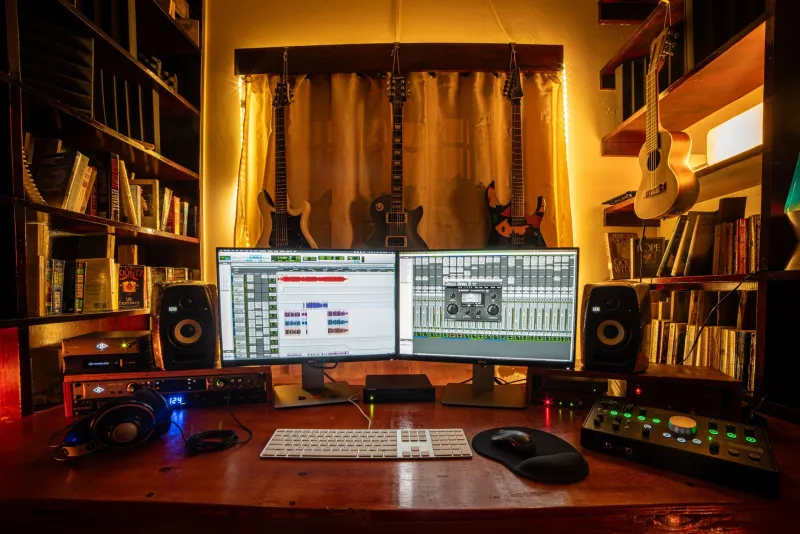
There's a moment every bedroom producer knows. You've spent three days on a track. The groove is locked, the drop hits right, the mix feels clean — and then you upload it to SoundCloud and it sounds like it was recorded inside a cardboard box compared to the stuff sitting next to it on the timeline. That moment used to mean one thing: you needed to pay someone else to fix it.
Not anymore.
Across the US underground, a quiet technical revolution is happening in spare bedrooms, converted closets, and rented studio apartments. Producers are learning to master their own music — and the results are starting to turn heads in places that used to require a label budget to reach.
The Myth of the Mastering Engineer (And Why It's Partially True)
Let's be real: a seasoned mastering engineer with a treated room and $50,000 worth of analog gear is still going to do things a bedroom setup can't fully replicate. The physics of acoustics don't care about your hustle. Untreated rooms introduce frequency buildup that lies to your ears, and no amount of software can compensate for a space that's actively working against you.
But here's what the professional mastering world doesn't love to advertise — the gap has shrunk dramatically. Modern metering tools, mid-side processing plugins, and AI-assisted mastering platforms have handed bedroom producers capabilities that would have cost tens of thousands of dollars a decade ago. The ceiling is lower than a proper facility, sure. But it's high enough to compete on streaming platforms, get plays on underground radio, and land on Beatport charts.
The producers who are winning aren't pretending the gap doesn't exist. They're working strategically within it.
The Toolkit: What's Actually Worth Buying
If you ask producers in the underground what's changed the game, a few names come up over and over.
iZotope Ozone is the most cited starting point, and for good reason. The Elements tier regularly goes on sale for under $30 and includes a surprisingly capable master assistant that analyzes your track and suggests starting points for EQ, dynamics, and stereo width. It's not magic — you still have to understand what you're hearing — but it dramatically shortens the learning curve for beginners.
LANDR and eMastered are AI-based mastering services that charge by the track or month. Producers are split on these. Some swear by them for quick turnaround on demos and white labels. Others find the results too homogenized — like the algorithm is trying to make everything sound like a Spotify editorial playlist regardless of genre. For underground techno or experimental club music, that smoothing effect can actually strip out the grit that makes a track interesting.
On the free side, Youlean Loudness Meter has become an essential tool. Understanding LUFS — the loudness measurement that streaming platforms use to normalize audio — used to require either expensive hardware or a deep dive into audio engineering forums. Youlean makes it visual and intuitive. Knowing that Spotify normalizes to around -14 LUFS integrated is one of those pieces of information that immediately changes how you approach a master.
TDR Nova is another free plugin that shows up constantly in conversations with underground producers. It's a dynamic equalizer — meaning it can react to the incoming signal rather than just applying static cuts and boosts — and it performs at a level that embarrasses a lot of paid options.
Treating the Room (On a Renter's Budget)
The acoustic treatment conversation is where a lot of producers check out, because the conventional wisdom involves permanent installation and serious money. But producers in the underground have been getting creative.
Freestanding acoustic panels made from Rockwool or Owens Corning 703 — both available at hardware stores — can be built for under $50 a panel and moved when you leave an apartment. Placing them at the first reflection points on either side of your listening position and behind your monitors addresses the most damaging room issues without touching a wall.
Others have leaned into headphone mixing as their primary reference, using tools like Sonarworks SoundID Reference (around $99) to calibrate their headphones to a flat frequency response. It's not the same as a treated room, but for catching broad-stroke mastering issues — harsh high-mids, muddy low-end, stereo imbalance — it's remarkably effective.
The key insight that experienced producers pass on: you're not trying to make your room sound like a professional studio. You're trying to understand how your room is lying to you, so you can compensate.
The Mentorship Layer Nobody Talks About
The tools only get you so far. The real accelerant in the underground producer community is knowledge transfer — and it's happening through Discord servers, Reddit threads, YouTube rabbit holes, and direct mentorship from artists who've figured things out and want to bring others up.
Channels like In The Mix, Produce Like A Pro, and Zen World on YouTube have collectively put out hundreds of hours of free mastering education that would have cost thousands of dollars in formal audio engineering programs. The comment sections on these videos have become informal communities where producers troubleshoot specific problems in real time.
But the most valuable education is happening in smaller, more intimate spaces. Underground production Discord servers — many of them tied to specific regional scenes or genre communities — have dedicated channels where members post their masters for feedback, share plugin chains, and walk each other through the acoustic science of why certain decisions work. Producers who've been doing this for ten years are sitting in the same channels as people who started six months ago, and the knowledge moves freely.
This is the mentorship model the underground has always run on, just adapted to the tools of the moment.
Knowing When to Hand It Off
Here's the honest part: the producers who are most successful at DIY mastering also know exactly when to stop. There's a version of this story where bedroom mastering becomes a point of pride that overrides good judgment — where you spend forty hours trying to fix something a professional could address in twenty minutes.
The smart approach is to treat self-mastering as a skill for the right context. White labels, demos, Bandcamp releases, tracks for underground radio — these are places where a solid bedroom master is completely appropriate and often indistinguishable from a professional one. A record you're sending to a major distributor or releasing on a label that's going to pitch it to editorial playlists? That might be the moment to spend the $150 on a proper mastering session.
Knowing the difference is its own kind of expertise.
The Sound of Right Now
What's happening in the underground right now isn't just producers getting better at technical skills. It's a broader shift in who gets to sound professional, who gets to compete on streaming platforms, who gets to be heard at scale. The gatekeeping that used to live inside expensive studio access is dissolving, slowly but unmistakably.
The bedroom isn't a limitation anymore. For a lot of producers in the underground, it's the whole point — the place where the music is made closest to the bone, where the tools are democratized enough that a track can go from idea to release without asking anyone's permission.
The sound coming out of those rooms is getting loud. And it's getting louder.