Counterfeit and Proud: Inside the Shadow Market Thriving at America's Underground Raves
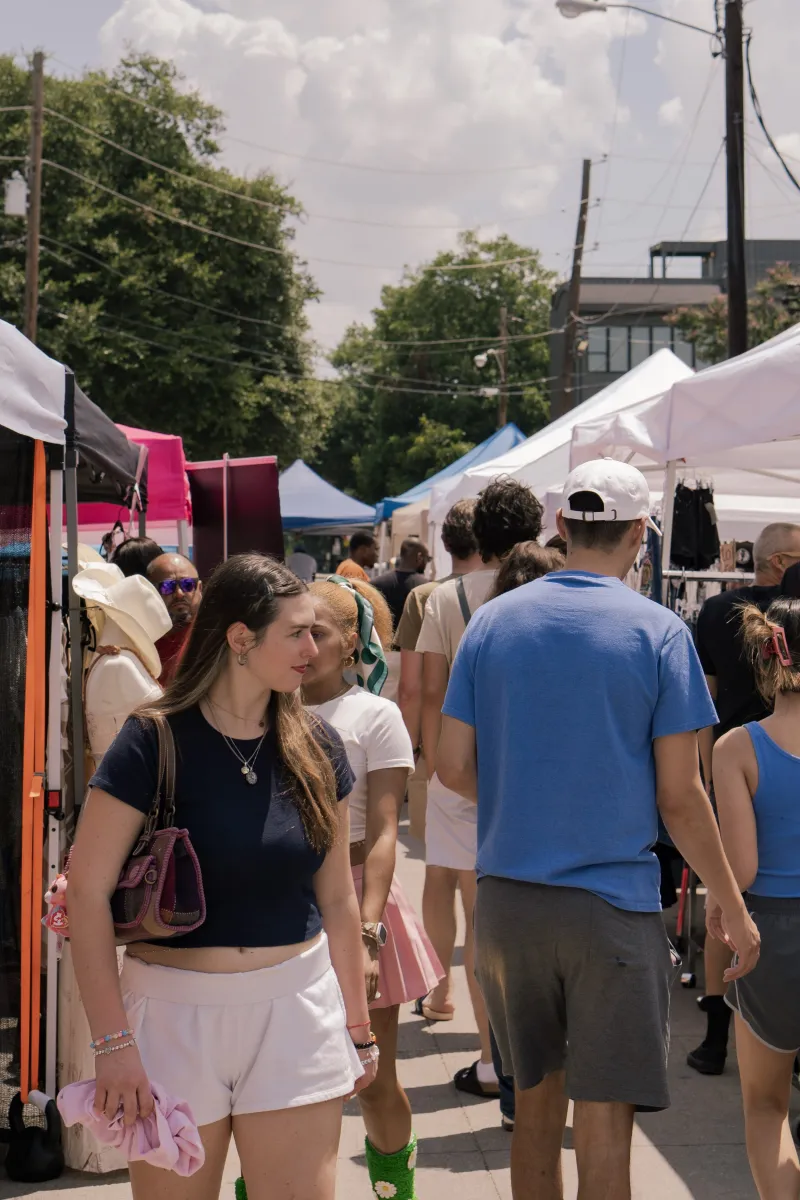
Photo: underground market bootleg merchandise festival crowd, via images.squarespace-cdn.com
There's a guy — let's call him Marco — who shows up to every major festival in the Southeast with a duffel bag and a practiced look of casual disinterest. Inside the bag: wristbands that look almost exactly like the official ones, screen-printed tees featuring artists who never licensed their likeness, and a small stack of vinyl releases that technically don't exist on any label's books. By Sunday afternoon, the bag is empty. By Monday, Marco is back home, a few thousand dollars richer, and completely untouchable.
This isn't some fringe hustle. It's a full economy — and it's been running inside the underground rave scene for decades.
The Anatomy of the Bootleg Market
The counterfeit ecosystem at raves and electronic music festivals operates on a few distinct product lines, each with its own supply chain and risk profile.
Fake wristbands are the most straightforward. RFID-enabled festival credentials have made this harder at the top tier — your Lollapaloozas and Electric Daisy Carnivals — but mid-size regional events and underground warehouse parties often still rely on printed or Tyvek bands that can be duplicated with a decent printer and some patience. Sellers move these at face value or slightly below, targeting late arrivals who missed presale or don't want to pay the door premium.
Unlicensed merch is a whole different operation. Ravers with access to screen-printing equipment — or connections to shops that don't ask too many questions — produce runs of hoodies, hats, and tees featuring DJ names, event logos, or iconic imagery from the scene. These pieces often circulate at tailgates, in parking lots, or through private Instagram accounts with DMs open. Prices undercut the official merch table by 30 to 50 percent, and the quality is frequently comparable.
Then there's bootleg vinyl, which occupies the most philosophically interesting corner of this market. Unauthorized pressings of rare DJ sets, white-label edits, and unofficial remixes have existed since the beginning of dance music culture. The tradition of dubplates and underground-only releases created a gray zone that the bootleg market has happily colonized. Some of these pressings are genuinely indistinguishable from official releases. Others wear their bootleg status like a badge.
Why Enforcement Is Basically a Joke
The legal framework for shutting this down exists on paper. Trademark law, copyright statutes, federal counterfeiting provisions — the tools are there. The problem is scale, context, and incentive.
Festival security is not the FBI. Their job is crowd management, not intellectual property enforcement. Local law enforcement showing up to a rave is already a logistical challenge; asking them to also police unlicensed merchandise is a stretch that almost never happens in practice. And the distributed nature of these sales — someone's trunk, a blanket on the ground, a Telegram channel — makes coordinated crackdowns nearly impossible without resources that nobody wants to allocate to this particular problem.
Big festival brands occasionally send cease-and-desist letters or hire private investigators to document bootleg operations near their events. But follow-through is inconsistent. The legal cost of pursuing individual sellers rarely justifies the outcome, especially when those sellers are often judgment-proof — meaning they don't have assets worth going after in court.
For underground events specifically, the irony compounds. Many of these parties are themselves operating in legally ambiguous territory. A promoter running an unpermitted warehouse rave isn't exactly positioned to call the cops on someone selling fake wristbands outside.
The Anti-Corporate Justification
Ask the people running these operations why they do it, and you'll get a remarkably consistent ideological answer alongside the obvious economic one.
"The festival industry is extracting money from this culture and giving almost none of it back," says one bootlegger operating in the Mid-Atlantic region, who agreed to talk as long as we didn't use his name. "I'm not hurting the artist. I'm hurting the corporation that owns the festival brand. Those are different things."
This is the narrative that makes the underground bootleg market feel, to many participants, like something other than simple theft. Rave culture has always positioned itself in opposition to corporate capture — the commodification of a movement that started in Black and queer communities as an act of radical joy and self-determination. When a private equity-backed festival conglomerate charges $400 for a weekend pass and $60 for an official hoodie, the moral calculus for selling a $25 knockoff shifts considerably in the seller's favor, at least in the minds of the people doing it.
And honestly? A lot of ravers buying this stuff feel the same way. They're not confused about what they're purchasing. They're making a choice.
Where It Actually Gets Complicated: Independent Artists
The anti-corporate framing holds up reasonably well when the target is a multinational entertainment company. It starts to fall apart when the artist on the bootleg tee is an independent producer out of Detroit who pressed 300 copies of their debut EP on their own dime and is trying to pay rent.
This is the part of the conversation that the bootleg economy doesn't love to have. Underground artists — the ones this scene is ostensibly built to support — often have no licensing infrastructure, no legal team, and no budget to pursue unauthorized use of their work. When someone bootlegs their name onto merchandise, the lost revenue isn't absorbed by a corporate entity. It comes directly out of the artist's pocket, or more precisely, it never reaches that pocket at all.
Some artists have tried to engage the market rather than fight it. A handful of producers have put out informal licensing agreements — essentially saying, if you're going to make merch with my name on it, give me a cut and we're good. Others have leaned into the culture by releasing their own "unofficial" merch at deliberately low prices, trying to undercut the bootleggers at their own game. Neither approach fully solves the problem.
"The scene talks a lot about supporting independent artists," says one Chicago-based DJ and producer who asked to remain anonymous. "But somehow that support doesn't always extend to actually paying for things. It's a contradiction people aren't always ready to sit with."
The DIY Paradox
This is ultimately the tension that the underground rave scene hasn't resolved and probably can't resolve cleanly: the same DIY ethos that makes bootlegging feel righteous is the ethos that independent artists rely on to survive. The culture celebrates making something from nothing, operating outside official channels, refusing to play by industry rules. Bootleggers are doing exactly that. So are the artists they're bootlegging.
What separates them isn't philosophy. It's whose labor is being compensated.
Marco's duffel bag will be back at the next festival. The guy who made the music on the unofficial tee he's selling might or might not be able to afford to keep making music. The underground economy keeps moving, full of contradictions it hasn't decided to care about yet.